
Step 1
Pick the limiting question
Choose the one lever that is still fuzzy: carbs, drink volume, sodium, sport-specific execution, or troubleshooting.
See the fast answersLearn
Use this hub when you need the fastest path from question to plan. Start with the lever that is actually blocking you: carbs, hydration, sodium, race type, or gut issues.
Quick navigation
Skip straight to the page that answers your next decision instead of reading the entire site in order.
Popular shortcuts
Question, guide, calculator
Start with the limiting question, open one page that answers it, then turn that answer into a setup you can test in training.
Step 1
Choose the one lever that is still fuzzy: carbs, drink volume, sodium, sport-specific execution, or troubleshooting.
See the fast answersStep 2
Use one guide as your base instead of mixing five articles and guessing the rest.
Open a working exampleStep 3
Translate the idea into amounts, timing, bottles, and backup logistics that still make sense late in the session.
Build my planConcrete examples
My energy drops late
I drink but still cramp or fade
I have a marathon coming up
Start from your need
Choose the shortest route to the next useful decision. You do not need the whole library to move forward.
Targets
Start here if you know the problem but do not yet know what number to aim for per hour.
See carb, fluid, and sodium targetsStarter setup
Open a starter setup if you want something you can test this week instead of inventing the full plan from scratch.
See starter setupsRace guide
Open the guide for your sport when the main question is race execution, stations, pacing, terrain, or carrying limits.
Find my race guideTroubleshoot
Troubleshoot the one thing that fails first before you rebuild the whole plan from zero.
Troubleshoot my planFastest answers
Open these first if you want a usable range before you think about products, recipes, or race-day extras.
Target
Choose the hourly carb range that fits the session instead of copying a number that collapses late.
See carb targetsTarget
Set a drink volume you can actually hold instead of bouncing between underdrinking and overdrinking.
See fluid targetsThen sanity-check it with sweat-rate dataTarget
Keep sodium tied to drink concentration and real fluid volume instead of guessing from capsules or habits.
See sodium targetsThen choose the right drink structureStarter setups
These pages turn abstract advice into a first workable setup you can rehearse before you optimize it.
Starter setup
The cleanest starting point for many long sessions before you explore denser bottles or higher carb flow.
See the carb setupThen convert it into bottles and timingStarter setup
Use measured sweat loss to pick a realistic fluid range before you lock in bottle concentration.
See the hydration setupThen add sodium with the right unitsRace guide
Use this if you want breakfast, gel timing, drink stations, and race-day adjustments framed in one place.
Open the marathon guideThen build the race-day plan in DYFTroubleshoot
If the stomach is the weak link, simplify the bottle and timing before you try to add more fuel.
See the gut limitsThen rebuild the setup carefullyDIY tutorials
The images act as visual anchors for the physical prep flow: weigh, pour, wet, shake, then check texture.
Goal: get a smooth gel that is easy to swallow and free of lumps.
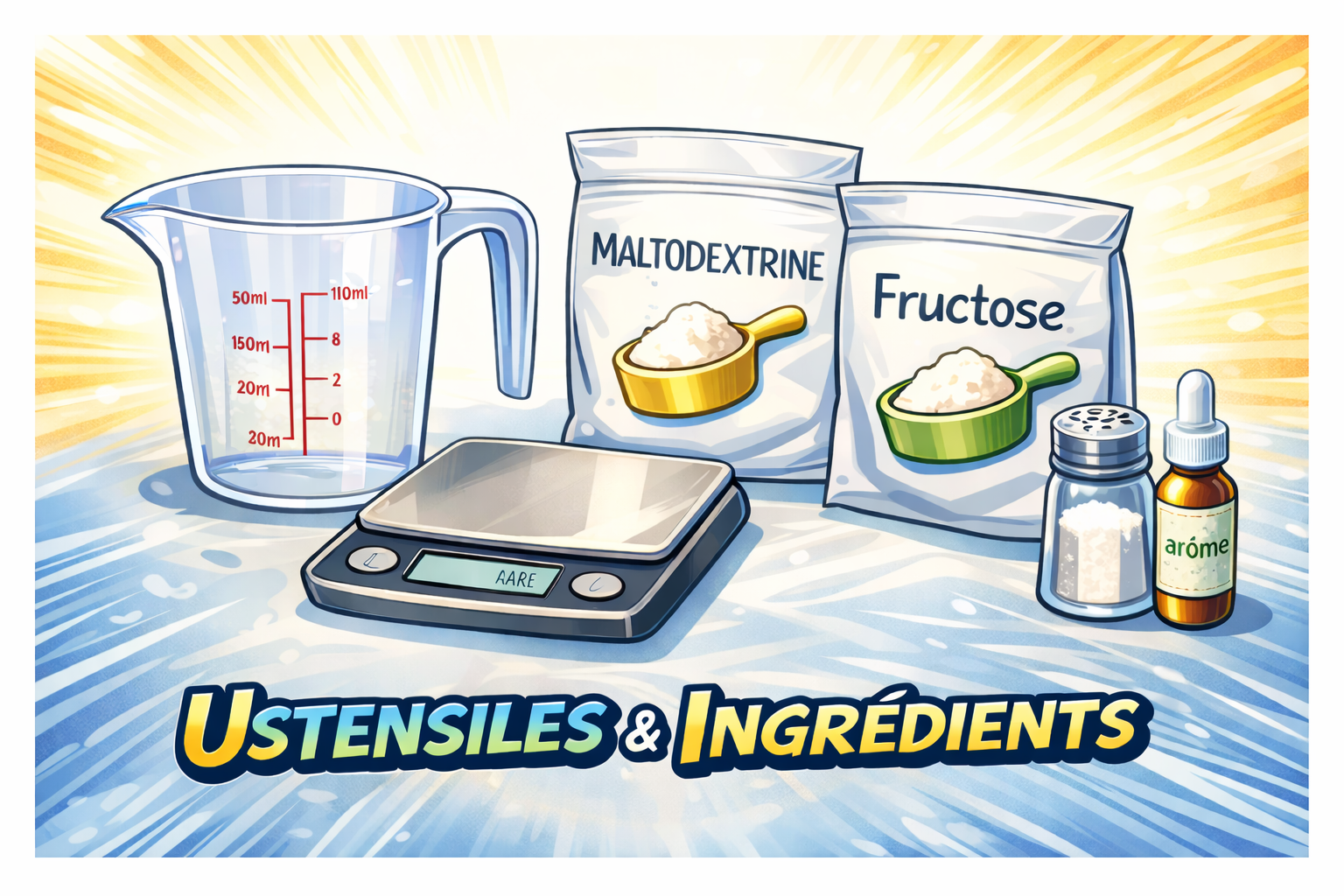
Place the empty flask on the scale, tare it, then fit the funnel. Keep the ingredient bags open and ready so the pour stays clean and quick.
Practical cues
Tip
If the neck is narrow, hold the funnel with one hand and pour slowly with the other.
Goal: fully dissolve the powder and keep the drink easy to sip.
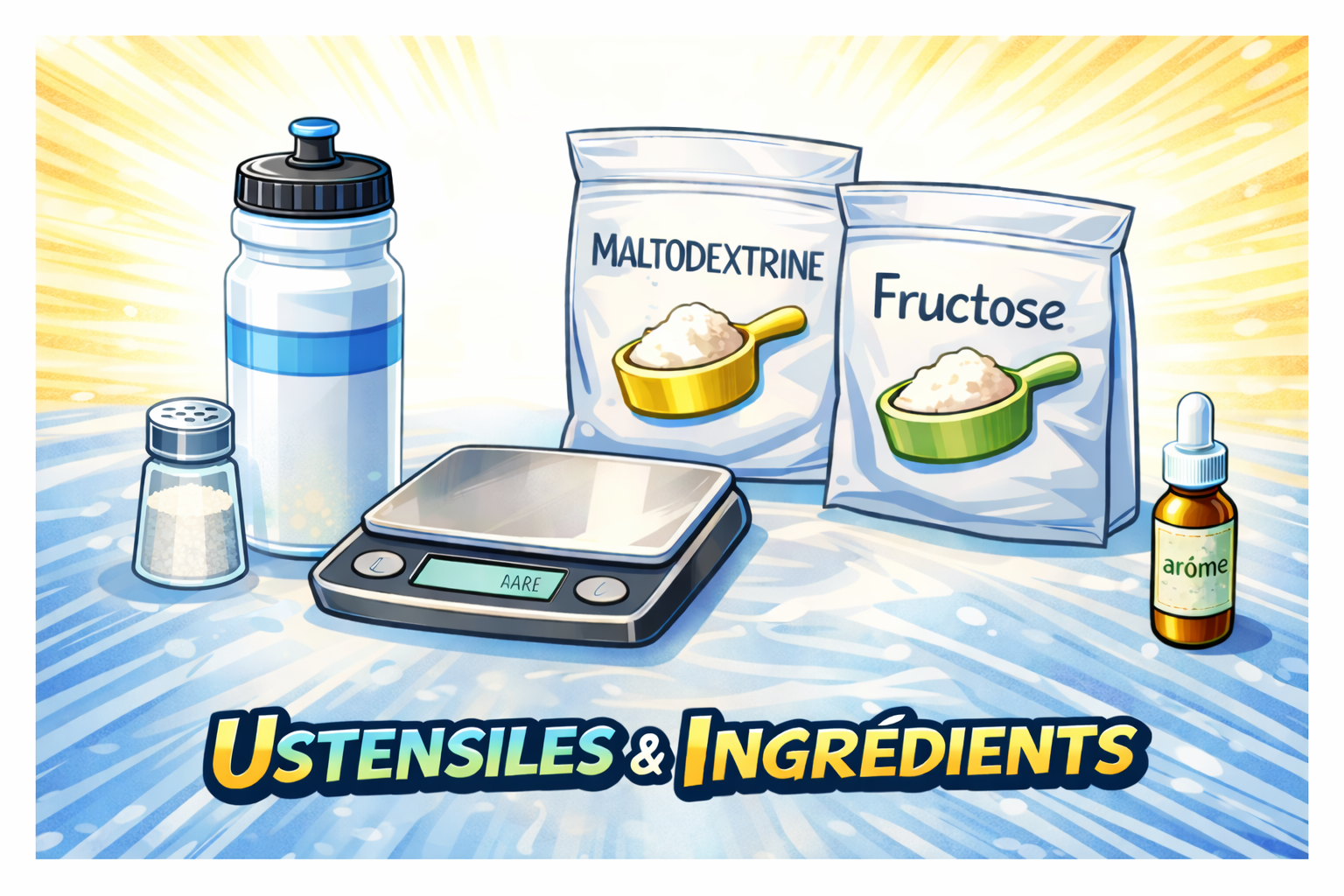
Set the empty bottle on the scale or measure your doses, then pour in 20 g of maltodextrin and 10 g of fructose. Start with a dry, stable bottle.
Practical cues
Tip
A wide funnel makes it easier to avoid powder sticking to the edges.
Basic equipment
Precise scale, funnel, soft flask, clean bottle, spoon, lukewarm water, table salt, and carb powders.
Sport guides
Use sport-specific pages when intake timing, station access, terrain, or carrying limits change what is realistic.
Open the sport hubDeeper reading
These pages are useful once you already know the question you need to answer. They should not slow down your first setup.
Use the science page when you want the physiology behind carbs, fluids, sodium, and gut limits.
Open the science pageTurn your targets into bottle recipes, gel strategy, and a race-ready setup.
Open the DIY guideUse the blog when you need a deeper answer on one lever such as sports drink choice or sodium planning.
Browse the blogOnce you know the right starting point, use the calculator to turn it into carb targets, drink volume, sodium load, and a setup you can actually test.